Wavy Double Line Runner Design: A Real-World Review
When I first opened the file for the Wavy Double Line Runner Design, my initial reaction wasn't about the technical specs, but about the mood it set. As a designer who spends hours evaluating embroidery files for client work and personal boutiques, I look for that specific spark where form meets function. This piece immediately felt like an invitation to elegance. The concept of two delicate, interlocking scalloped lines creates a rhythm that is both playful and sophisticated. It doesn't scream for attention; instead, it whispers with a quiet confidence that suggests high-quality craftsmanship.
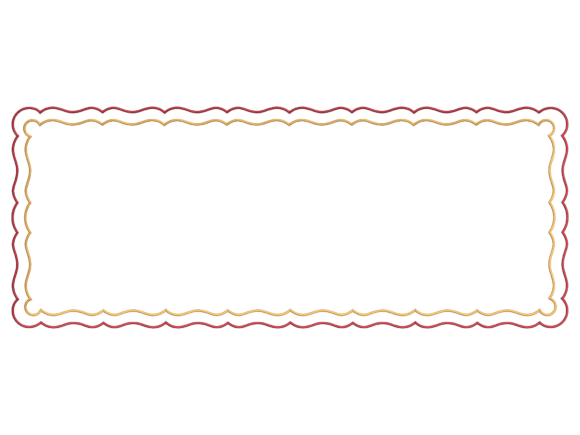
The description mentions an "Elegant Gold Crimson Scalloped Frame," which hints at a rich color palette intended to elevate any project. In my experience, the success of a design often hinges on how well it translates from a digital mockup to the physical fabric. Does the wavy nature of the runner hold up under tension? Do the double lines blur together in smaller hoop sizes? These are the questions I ask before committing to a production run. Let's dive into how this design performs when it leaves the screen and hits the needle.
From Screen to Stitch: Visual Impact in Real Projects
I recently tested this layout while preparing a custom order for a boutique owner who needed branded kitchen towels for a holiday collection. The Wavy Double Line Runner Design was perfect for framing a monogram or a simple seasonal greeting. The double line structure provides a natural border that guides the eye without overwhelming the central message. When stitched in a deep crimson thread against a crisp white tea towel, the contrast was striking, giving the finished product a professional, upscale feel that customers instantly recognize as premium.
However, the visual appeal depends heavily on your execution. The scalloped edges require precision. If you use a machine that struggles with fine detail, those delicate curves might lose their definition. For me, the beauty lies in the negative space between the two lines. It allows for breathability in the design, preventing the heavy, blocky look that can sometimes plague dense fill stitches. This makes it ideal for items where you want the texture of the embroidery to complement the fabric rather than stiffen it completely.
In a commercial setting, this design elevates the perceived value of a handmade product. Whether you are selling personalized gifts on Etsy or creating merchandise for a small shop, the intricate nature of the double-line runner signals effort and care. It transforms a standard tote bag or a plain sweatshirt into a curated item. The design works particularly well as a decorative accent on larger garments, perhaps running along the hem of a baby blanket or outlining the pocket of an apron. It adds a layer of polish that separates hobbyist projects from market-ready goods.
Where This Design Shines: Practical Applications
The versatility of the Wavy Double Line Runner Design makes it a strong candidate for various embroidery categories. While it fits naturally into the Kitchen category for items like tea towels and napkins, its application extends far beyond that. Here are some scenarios where this design truly excels:
- Custom Apparel: Use it as a subtle border on the cuffs of a sweatshirt or the bottom hem of a dress. The wavy pattern softens the silhouette and adds a feminine touch to otherwise structured garments.
- Baby Items: The gentle curves are perfect for nursery decor. Stitching this onto a crib sheet border or a receiving blanket creates a soothing, classic aesthetic that parents love.
- Patches and Badges: With slight adjustments, this runner can frame a central logo on an embroidered patch, giving it a badge-like appearance that looks great on denim jackets or canvas bags.
- Holiday Gifts: The gold and crimson color scheme suggested in the file name makes it a natural fit for winter holidays. It frames festive messages beautifully on stockings or gift tags.
- Digital Mockups: Even if you are a digital product seller, this design asset serves as a fantastic element for printable mockups, helping you visualize how a finished product will look before you ever cut fabric.
For the craft business owner, this design offers a reliable way to maintain brand consistency. If your brand identity relies on elegance and detail, having a go-to border like this ensures every item leaving your studio feels cohesive. It is a design that invites customization, allowing you to swap out the center text or image while keeping the framing constant.
Technical Considerations and Potential Pitfalls
While the Wavy Double Line Runner Design is visually stunning, it is not without its challenges. As an experienced reviewer, I must highlight where caution is required to ensure a successful outcome. The delicate nature of the scalloped lines means that stitch density is critical. If the density is too high, the fabric may pucker, especially on thin materials like cotton voile or lightweight linen. Conversely, if the density is too low, the satin stitches may not cover the fabric adequately, leading to a messy appearance.
Fabric choice is another major factor. Textured fabrics, such as bouclé or heavy wool, can obscure the fine details of the double lines. Similarly, stretchy fabrics like jersey require a stabilizer that matches the stretch of the material, or the wavy lines may distort during wear. Dark fabrics present a different challenge; while the suggested gold and crimson colors pop on white, they may get lost on navy or black unless you use a high-contrast underlay or a brighter thread color.
Hoop size is also a limiting factor here. Because the design features interlocking lines and specific curve details, it requires a sufficiently large area to breathe. Attempting to stitch this in a very small hoop, such as one used for a hat brim or a tiny cuff, risks losing the integrity of the shape. The curves might flatten, and the distinction between the two lines could vanish. Always check the recommended hoop size before starting your project.
Designer's Checklist for Success
To get the most out of this embroidery file, I recommend following a strict testing protocol. Before you commit to a customer's order or a final product, test the design on scrap fabric that matches your target material. This step is non-negotiable for maintaining quality control.
- Check Thread Contrast: Ensure your thread colors provide enough contrast against the background fabric. The elegance of the design relies on clarity.
- Review Stitch Density: Inspect the file settings. If the design uses a mix of satin and fill stitches, verify that the transitions are smooth and that there is no excessive clustering of threads.
- Confirm Stabilizer Needs: Depending on the fabric weight, you may need a cut-away stabilizer for permanent support or a tear-away for lighter projects. The right stabilizer prevents distortion.
- Test Color Variations: Create black and white mockups to see how the design holds up in grayscale. This helps identify if the lines are too close together or if the spacing needs adjustment.
- Licensing Verification: If you plan to sell finished products featuring this design, confirm the licensing terms. Some digital files allow commercial use only for a limited number of items, while others may restrict resale entirely.
The Wavy Double Line Runner Design is a tool that rewards patience and precision. It is not a quick fix for a last-minute order, but rather a strategic asset for building a reputation for quality. When executed correctly, it bridges the gap between digital creativity and tangible luxury. Whether you are a seasoned embroiderer or a new maker looking to expand your catalog, understanding the nuances of this design will help you create finished products that customers trust and cherish.
Ultimately, the decision to use this design comes down to your specific project goals. If you are aiming for a refined, timeless look that speaks to quality craftsmanship, this runner design is a worthy addition to your arsenal. Just remember that the magic happens in the details—take the time to prep your fabric, choose the right threads, and let the double lines do their work. Your customers will notice the difference.