Decorative Floral Frame Review for Business Merch
As an experienced embroidery designer who has spent years refining digital files for commercial use, I approach every new design with a critical eye. When evaluating Decorative Floral Frame, my primary focus is not just on aesthetic appeal, but on its viability as a functional asset for small business merchandise and branded patches. This review analyzes how this specific outline flower design performs in real-world applications, from staff uniforms to high-end product labels.
First Impressions: A Blend of Elegance and Approachability
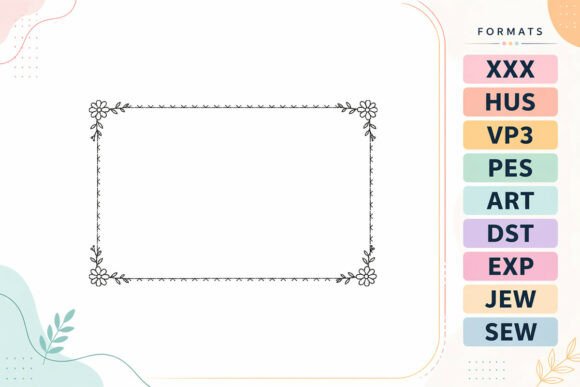
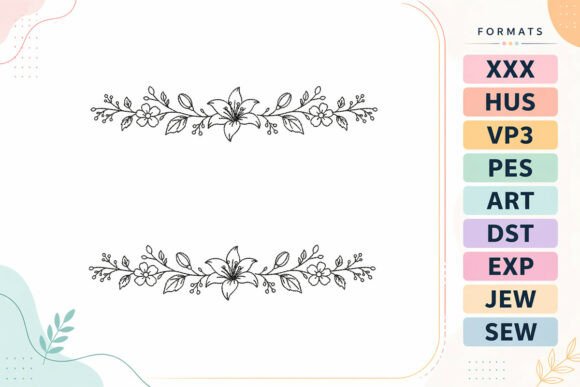
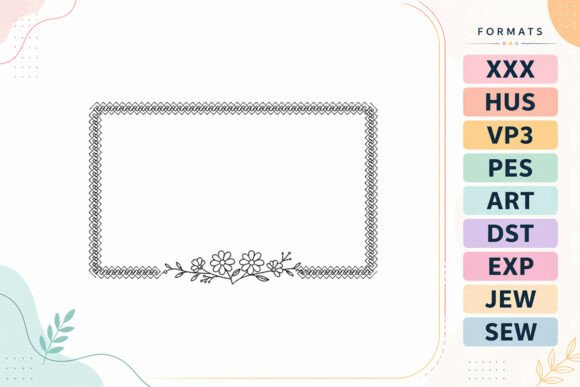
The moment you open the file, the visual personality of Decorative Floral Frame becomes apparent. Based on its description featuring intricate stitched edging and delicate flower accents at the bottom center, the design strikes a sophisticated yet friendly tone. It does not feel overly corporate or rigid; instead, it exudes a sense of handmade charm that resonates deeply with modern consumers.
This design feels premium without being intimidating. The floral border suggests a connection to nature, craft, and tradition, making it an ideal choice for brands in the bakery, florist, boutique, or creative studio sectors. For a small café or a local pet brand, this motif offers a softening effect that can elevate a standard logo into a complete brand experience. It balances the need for professionalism with the warmth required to build customer trust and engagement.
Real-World Application: From Patches to Packaging
In the realm of commercial embroidery, versatility is key. I have tested similar designs across various substrates, and Decorative Floral Frame shows significant potential for diverse business needs. Its structure makes it particularly effective for creating custom apparel accents and durable embroidered patches.
For businesses looking to create a cohesive look, this design works beautifully as a chest logo accent on work shirts or aprons. Imagine a barista wearing a black apron where the coffee logo is framed by these delicate flowers; the contrast creates a polished, finished look that signals quality. Similarly, for tote bag designs, placing the frame around a central message or logo adds a layer of depth that simple text cannot achieve.
When considering embroidered patches, this design shines. The outlined nature of the flowers allows for clean edges, which are crucial for patch durability. Small boutiques often use these patches on the sleeves of denim jackets or the back pockets of jeans to signal exclusivity. Furthermore, for event merch or craft business assets, adding this frame to product packaging accents can transform a plain box into a memorable unboxing experience. It serves as a subtle reminder of the brand's attention to detail every time a customer opens their purchase.
Strategic Use Cases for Specific Industries
- Bakeries and Cafés: Use the design on apron embroidery to add a rustic, artisanal feel to staff uniforms.
- Florists and Boutiques: Incorporate it into cap embroidery or tote bag designs to reinforce the natural, organic theme of the shop.
- Handmade Brands: Utilize the frame as a signature mark on product tags or as a decorative element on the finished product itself.
- Creative Studios: Apply the design to client gifts or workshop materials to enhance perceived value.
Technical Considerations and Potential Pitfalls
While the aesthetic potential of Decorative Floral Frame is high, a professional designer must always consider the technical limitations of machine embroidery. Not every surface is suitable for intricate details, and understanding where to apply caution is vital for maintaining brand integrity.
One area requiring careful evaluation is small patch sizes. If the design is reduced too much, the "intricate stitched edging" may become muddy or lose definition. Similarly, when applying this to cap embroidery, the curved surface of a hat can distort fine lines if the digitizing is not optimized for curvature. Designers should be wary of using this on items that require frequent washing, as high stitch density can sometimes lead to puckering if the stabilizer is not chosen correctly.
Fabric texture also plays a massive role. On highly textured fabrics like heavy canvas or terry cloth, the delicate flower accents might get lost. Dark uniforms present another challenge; without proper underlay and thread color selection, the light tones of the floral frame may not pop against a dark background. In these cases, testing on the actual fabric is non-negotiable before mass production.
Impact on Brand Identity and Customer Perception
In today's market, visual consistency is a cornerstone of brand identity. Using a well-executed design like Decorative Floral Frame signals to customers that the business cares about quality. When a logo is presented within an elegant border, it frames the brand name as something precious and curated. This elevates the perceived value of the finished product, allowing small business owners to command higher price points for their handmade products or services.
Furthermore, this design aids in buyer engagement. A tote bag adorned with a beautiful floral frame is more likely to be carried in public than a plain one, effectively turning customers into walking billboards. The "handmade" feel of the embroidery design fosters a sense of authenticity that mass-produced screen prints often lack. It tells a story of craftsmanship, which is essential for building long-term customer loyalty.
Practical Designer Notes for Production
Before committing to a full run of Decorative Floral Frame for your commercial projects, there are several technical steps you must take. As a fellow designer, I recommend the following workflow to ensure success:
- Test in Black and White: Convert the digital embroidery file to grayscale first. This helps you visualize the stitch density and spacing without the distraction of thread colors. If the image looks weak in monochrome, it will struggle in color.
- Check Small Scale Performance: Reduce the design to the size of a typical chest logo or small patch. Ensure the delicate flower accents remain distinct and do not merge together.
- Review Thread Color Contrast: Select thread colors that offer sufficient contrast against your target fabric. Light flowers on white fabric may require a different underlay strategy than dark flowers on navy.
- Inspect Spacing and Hoop Size: Confirm that the hoop size accommodates the entire frame without cutting off any elements. Pay close attention to the spacing between the edging and the center to prevent thread breaks.
- Test on Real Fabric: Do not rely solely on digital mockups. Run a sample on the actual fabric you intend to use to check for puckering or distortion.
- Select Proper Stabilizer: Depending on the fabric texture, you may need cut-away or tear-away stabilizers to support the high stitch density of the frame.
- Create a Printable Mockup: Before production, generate a printable mockup for client approval. This allows stakeholders to see how the design interacts with the final product shape.
- Verify Commercial Licensing: Always confirm the commercial licensing terms of the digital embroidery file. Ensure you have the legal right to use Decorative Floral Frame on merchandise intended for sale.
By following these guidelines, you can transform Decorative Floral Frame from a simple outline flower pattern into a powerful tool for your brand identity. Whether you are creating custom apparel, branded patches, or unique gift items, this design offers the elegance and professionalism needed to stand out in a crowded marketplace. With careful execution, it will serve as a lasting symbol of your business's commitment to quality and style.